 skills
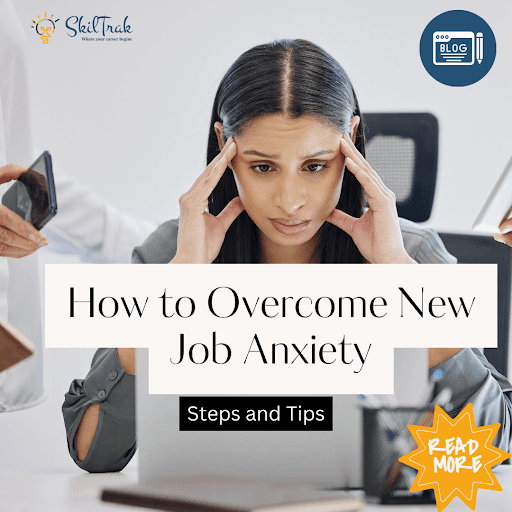
New Job Anxiety: 10 Tips for Overcoming Your Nerves
Best wishes! You recently secured your dream job. This is wonderful news, and you should be very proud of yourself.
But there are drawbacks as well. What comes next, now that you've reached this significant point?
Your first day is almost here, and I'm starting to feel anxious. You're practising your introduction, trying to make a good first impression on your new coworkers, and considering how to be competent and authoritative without overstepping your bounds.
Make sure you're liked by your new boss as well. Your heart is pounding and your palms are perspiring from all this anticipation.
Anxiety over your new employment has begun even before your start date. Anxiety is normal to some extent, but it doesn't have to last. You can make the move less stressful and more seamless by being aware of what new job anxiety is and how to deal with it.
What is New Job Anxiety?
Anxiety related to a new job is something that everyone encounters, commonly known as the jitters. It's a normal response to novelty or change, therefore starting a new job is a major trigger.
Starting a new job might cause anxiety for a variety of reasons. It takes getting acclimated to a new office, new management, and a new commute. You're still getting used to everything and are still getting your bearings. You may be nervous about the prospect of failing because this may be a significant career transition.
You may be concerned about leadership that is poisonous at your new job or about burning out.
Fortunately, more tools and beneficial adjustments for workers with mental health concerns are being made as a result of growing research on the effects of depression and anxiety in the workplace.
Taking up a new job can be intimidating if you have a history of mental health issues or an anxiety disorder diagnosis. Remember that it's not impossible.
Is It Normal To Feel Anxious When Starting a New Job?
Indeed. Everyone gets nervous when they start a new job. Everything about the position is novel and strange, and big changes at work can be especially difficult for people who suffer from anxiety disorders.
It's arguably more shocking if you don't experience any tension while starting a new job because new job anxiety is so prevalent.
The duration of anxiety related to a new job varies from person to person. This is a common question. Some people only experience it during the first week of orientation. For others, it might last for a few weeks, at which point it might develop into imposter syndrome or make them question their abilities.
Since feeling nervous in a new setting is normal, why should anxiety related to a new job be treated any differently? You're getting started from scratch in a new position with strangers.
When starting a new work or in any other situation that necessitates adjustment and change, you could discover a variety of helpful stress-reduction techniques. These are a few recommendations.
Find The Source Of Your Anxiety:
Find the exact source of your anxiety to help you feel less anxious about your new work. Concerned about how well you're performing at work? Are you worried about blending in with your new coworkers?
Writing in a notebook or talking to a friend about your stress levels will help you understand why you feel that way. Gaining more insight and clarity might also come from talking with a therapist.
Practice Your New Routine Ahead of Time:
Anxiety can be exacerbated by uncertainty, and anxiety about a new job frequently results from the impending changes:
- Going to a new place for work
- Commencing work at an alternative time
- Putting in more hours per week
- Taking on new duties
Preparing yourself for these changes ahead of time can help:
- Concerned about commute delays and traffic? Examine various routes, or think about walking or using public transport to get to work.
- Are you worried about how your pets will handle being without you? To aid in their adjustment, progressively extend the amount of time you spend away from home each day.
- Are you wondering where you'll have lunch and take breaks? To help you get used to your new environment, take some time to explore the area around your place of employment.
- Not an early riser by nature? A week prior to your start date, begin adjusting your sleep routine to prevent fatigue and drowsiness on your first day.
Remember That You’re Not an Imposter:
You stood out from the other applicants and made it through the interview process. Because of your character, background, and set of abilities, which made you the ideal candidate, you were hired. Imposter Syndrome is a common phenomenon in which one feels alienated in a group while everyone else appears to fit in. This may cause you to feel unworthy of the position you hold or the accomplishments you've made.
But never forget you deserve this! It probably took a lot of effort to receive a job offer, including networking, acing interviews, making presentations, and crafting heartfelt thank-you notes.
You are not a fraud. After you've gotten the hang of things and established your daily schedule in a few months, you'll be a vital member of the team.
Make an Effort to Connect with People:
It can calm your worries and help you feel more at ease to have friendly faces around your new workspace. It makes a big difference to know you have coworkers you can talk to, eat lunch with, and ask questions to.
Developing relationships with your new coworkers will lessen anxiety and enhance cooperation and teamwork, making work more pleasurable and manageable, even if it takes some time to become friends.
Adopt a Growth Mindset:
The idea that you may improve your abilities via work and education is known as a growth mindset. Studies indicate that this kind of thinking forecasts success. Therefore, accept that you are a lifelong student, look for new tasks, and challenge yourself. Ultimately, it matters more how good you aim to be than how good you are right now.
Accept That Mistakes Are Part of Success:
Adopting a growth mindset entails realising that failures are inevitable on the path to achievement. Oftentimes, failure teaches you more than success. Consider them wonderful learning opportunities rather than failures. They assist you in honing your analytical abilities so you can determine what succeeded and what failed. In this manner, you can refine and modify your strategy for the subsequent instance.
Connect With a Coworker:
In addition to asking for assistance when you get used to your new position, building a connection with a coworker can be quite helpful. Developing a friendship with just one coworker can help you negotiate your new career and gain a deeper grasp of the company culture.
Look for someone with whom you click, someone who may have facilitated a more seamless onboarding process for you. Seize the chance to engage in conversation with them during office breaks, and think about asking them out for lunch or coffee to deepen your relationship.
Use Quick Stress Relievers:
It is imperative to keep some easy-to-use stress relievers nearby for such stressful situations. Here are some tactics to think about:
- Breathing exercises: These can assist in reversing the stress-induced fight-or-flight reaction, safeguarding your body from the damaging impacts of ongoing stress.
- Take a walk: Being in nature can improve your mental health, and taking a stroll outside can be soothing.
- Distraction tools: To help you stay focused and harness any extra nervous energy, have a stress ball or fidget spinner at your desk.
Ask for Help When You Need It:
Good leaders don't attempt to achieve everything by themselves. They assign responsibilities and ask for help as needed. It's crucial to keep in mind that, irrespective of prior expertise, beginning a new profession entails a lot of learning. Determine the precise assistance you require, then proactively set up a meeting to talk about it with your boss. It is better to ask for help as soon as possible rather than waiting until you are feeling overwhelmed.
Avoid New Job Burnout:
According to recent data from Slack's Future Forum Pulse survey, leaders are facing 40% more stress and anxiety related to their jobs and a 20% worse work-life balance. It's critical to set healthy boundaries early on to prevent burnout. Outside of work, devote time to your passions and hobbies. Make sure you get enough sleep, exercise on a regular basis, and eat a healthy diet to maintain your physical health. Arrange your vacation time ahead of time so that you have something to look forward to.
It's OK to feel nervous when starting a new job because it demonstrates your commitment to the position. In fact, it would be odd to feel anything but a little anxious. With newfound skills to control these emotions, you should see a progressive decrease in anxiety over time. You'll quickly gain comfort and confidence and be prepared to take on whatever comes next.
Take Care of Yourself:
Maintaining a healthy diet, getting enough sleep, and taking your vitamins on a daily basis can help to minimise physical deterioration, which will lessen your reactivity to stress and improve your general health. Setting aside time for activities that promote your well-being is crucial. Establish attainable weekly objectives to progressively feel better and experience less anxiety, such as walking a specific number of steps every day or drinking enough water.
Recall that taking care of yourself not only improves your physical health but also your mental clarity, which helps you remain concentrated and effective at work.
Conclusion: Have Patience With Yourself
There are obstacles when you start a new job until you get the hang of it and figure out how to do your chores most effectively.
It gets easier with practice, just like everything new. You'll quickly get into a rhythm, find your footing, and gain more self-assurance. It's all part of adjusting to your new role, so keep this growing and adjustment process in mind the next time you're feeling anxious or overwhelmed.
If you are a recent graduate and are looking for a job. Join our Talent Pool program.
Share this article
FAQ's
01
Q. Is it normal to feel anxious when starting a new job?
Many people find it nerve-wracking to start a new job. Anxiety is sometimes brought on by new duties, meeting new coworkers, and strange surroundings.
02
Q. How can I maintain work-life balance and prevent burnout in a new job?
Set sensible limits at an early age to avoid burnout. Plan frequent breaks or holidays to rejuvenate, give sleep and nutrition top priority, and schedule hobbies and self-care activities.
03
Q. How long does new job anxiety typically last?
Each experiences new work anxiety for a different amount of time. As you get used to your new role and surroundings, it could take a few days to several weeks. Anxiety normally goes away with time and familiarity.